Oct 7, 2026Buying Guides
How to Choose a Bike Phone Holder: Mount Types, Materials, and a Spec Checklist
A practical spec guide for bike brands: mount positions, clamp mechanics, materials, vibration damping, and the six-line checklist to brief your OEM factory.
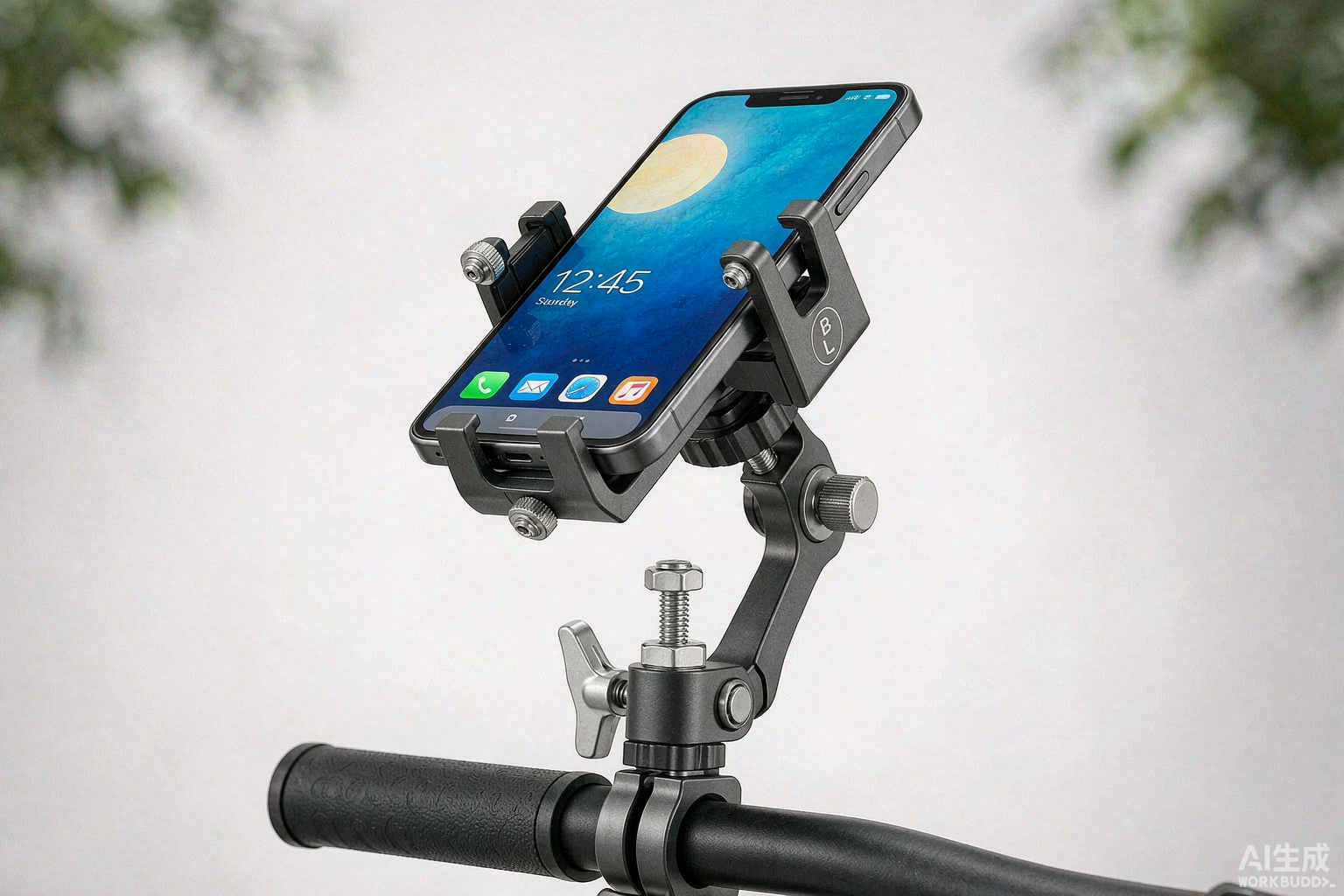
A phone on the bars is now as standard as a water bottle cage. But a bike phone holder that loosens over cobbles, cooks in the sun, or drops the device at 40 km/h is a returns nightmare — not a feature. Specifying the right mount is decided before the first sample, and the differences that matter are mechanical, not cosmetic.
1. Start with the mount position
Handlebar clamp is the default and the easiest to install, but it competes for space with lights and computers. Stem-cap and out-front (GPS-style) mounts put the phone central and clear of the bar, which riders prefer for navigation. Frame mounts suit cargo bikes and delivery fleets. Pick the position first — it constrains every other choice.
2. Clamp mechanics decide retention
Silicone-strap holders are cheap and fit most bars, but straps creep and age. Mechanical clamps (lever or screw) hold torque and survive vibration far longer. Magnetic systems are slick for one-hand use but need a steel ring on the phone case and fail the drop test on rough terrain. For a brand selling to commuters and tourers, a metal clamp is the safer default.
3. Materials and weather sealing
Housings are usually ABS/PC or glass-filled nylon; premium units add a TPU or silicone bumper. If the market is wet or dusty, spec an IP-rated or at least gasket-sealed cradle and UV-stable plastics — a yellowed, brittle holder reads as a cheap product within a season.
4. Vibration and camera protection
Smartphone optical image stabilization is vulnerable to high-frequency handlebar buzz. A damped mount (silicone isolator or sprung cradle) protects both footage and the phone's OIS module. This is the single feature riders paying flagship-phone money actually notice.
5. Phone size range and quick release
Brief for a clamp width that covers 4.7"–7" devices with cases on, and a one-hand release so the phone comes off at a cafe without tools. Adjustability here is what turns a one-size-fits-none bracket into a product that fits your whole customer base.
The failure mode is never 'the holder looks wrong' — it is 'the phone hit the asphalt at speed.' Retention and vibration damping are the spec lines that protect your brand, not the color of the plastic.
6. The spec checklist to send your factory
Mount position (bar / stem / out-front / frame), clamp type (strap / mechanical / magnetic), housing material and UV rating, IP or gasket sealing, damping method, adjustable width range, and one-hand release. Send those six lines and a sample brief, and a capable OEM can return a prototype instead of a question. Tell us your target bike category and price point and we will spec the holder to match.